Overview
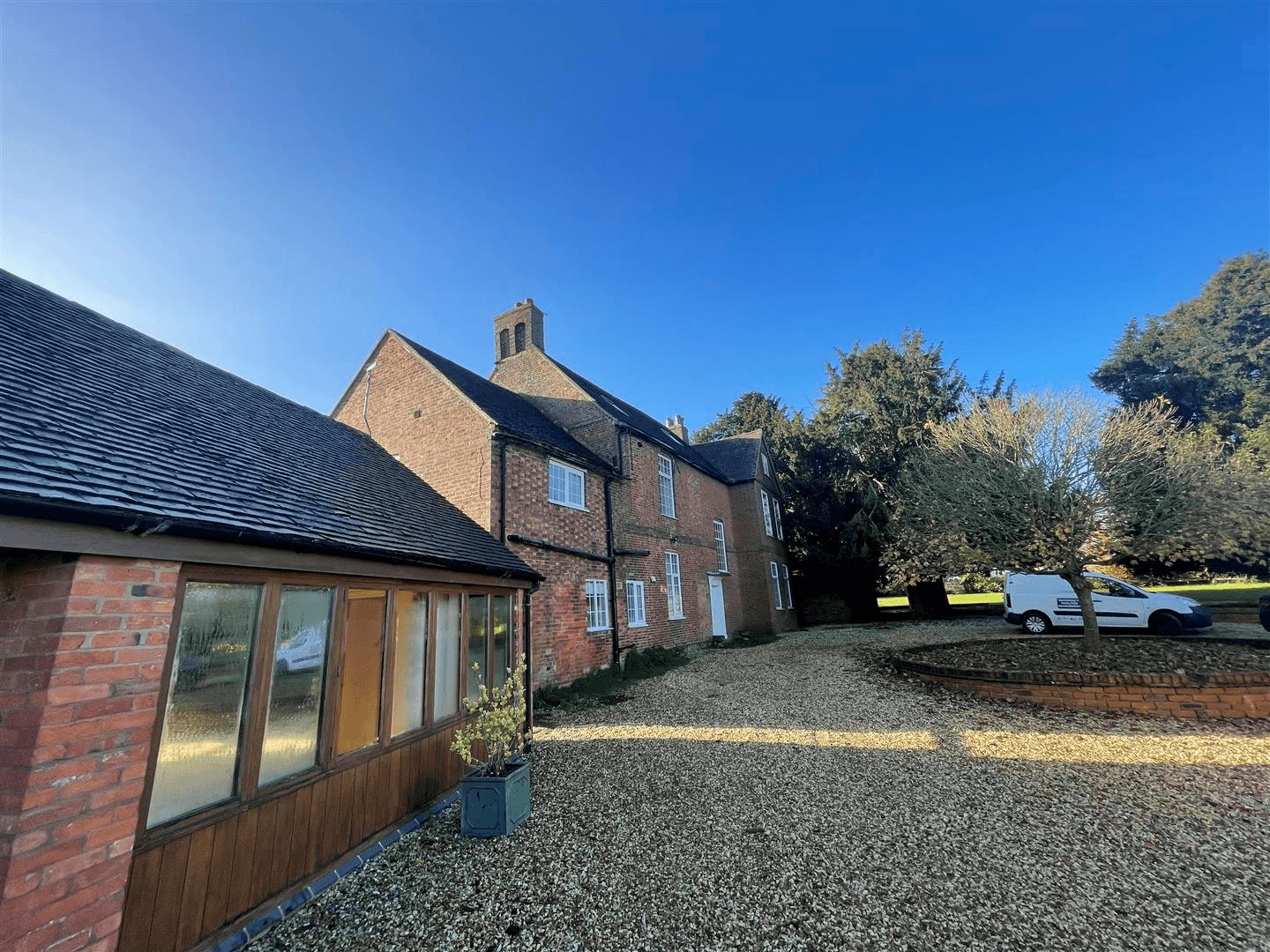
Wesley Chapel, a Grade II-listed Victorian Methodist Chapel built in 1873, stands as a significant heritage landmark in Hartlepool. Severely damaged by fire in 2017 and again in 2023 during construction, the long-term abandonment of the building led to significant deterioration, including vandalism and structural decay. The complexity of prior structural modifications posed further challenges. We carefully converted the original 3-storey structure into 4 storeys, all while respecting the 1870s design ensuring that modern standards were met.
The project prioritised the preservation of Wesley Chapel’s external façade to maintain its architectural and historical integrity. Through innovative structural design and careful integration of existing engineering work, the redevelopment balanced modern safety standards with respect for the building’s heritage.
Solutions
The Wesley Chapel project employed innovative solutions to overcome its challenges. New steel roof trusses were introduced to support floor loads and create additional space, while original steelwork was retained where feasible, and columns were reinforced or removed to align with the design. Structural assessments ensured compliance with safety standards, utilising existing load paths to minimise foundation impact. Heritage preservation was prioritised by integrating existing engineering work and maintaining the external façade’s architectural integrity. The layout was reconfigured to add an extra storey in line with the 1870s design, and reinforced concrete stairs were optimised for functionality. Structural optimisation included load path analysis and material selection to avoid overloading the foundation.
Summary
Supported by Town Deal funding, the Wesley Chapel project successfully addressed the ‘conservation deficit,’ ensuring the restoration’s financial viability. Backed by Historic England, the redevelopment also helped remove the Church Street Conservation Area from the national heritage at-risk register.
This project overcame the challenges of regenerating a heritage structure by prioritising historical preservation, resolving the conservation deficit, and introducing innovative structural solutions. These efforts were bolstered by a focus on community engagement, social benefits, sustainable development, and comprehensive planning.
This transformation not only restored a significant heritage building but also revitalised the area by creating a high-end wedding and events venue. This development supports the local economy by fostering procurement, job creation, and training opportunities.
In recognition of its success, JNP received the Northern Counties Structural Awards 2024 for the Heritage/Regeneration Project.
Gallery


Client: Jomast
Services Provided
- Structural Engineering
- Structural Inspections & visual surveys.
- Load path analysis of the existing structure.
- Identifying and assessing members to be demolished.
- Removal and reconfiguration of existing RC concrete stairs.
- Design of new steel roof trusses to facilitate an additional storey.
- A holistic approach to all additions and removals respecting the historic structure.
- Used existing load paths and selected appropriate materials to avoid increasing foundation loading.
Challenges
- Fire Damage in 2017 & 2023 caused extensive structural damage
- Roof redesign required modern safety compliance while accommodating additional usable space.
- Long -Term Abandonment led to significant structural deterioration, vandalism, and decay.
- Complex Structural modifications 3-storey layout was converted into a 4-storey structure
- Integration of prior structural changes added complexity.
- Preservation of Heritage, maintaining the architectural integrity of the Grade II-listed external façade while ensuring structural continuity.
Solutions
- Roof and Truss Redesign – new steel roof trusses to support floor loads for additional usable space.
- Retained original steelwork where feasible and reinforced or removed columns to align with the new design.
- Detailed structural assessments to ensure compliance with modern safety standards.
- Utilised existing load paths to minimise impact on foundation loads.
- Heritage Preservation ensured careful integration of existing engineering work to respect the building’s historical significance.
- A holistic approach to all additions and removals, maintaining the external façade’s architectural integrity.
- Adaptive Design for Modern Needs, while adhering to the original 1870s design aesthetic.
- Removed and reconfigured existing reinforced concrete stairs for optimised functionality.
- Conducted load path analysis to identify and assess structural elements for demolition or reinforcement.
- Selected appropriate materials to avoid increasing foundation loads unnecessarily.