Overview
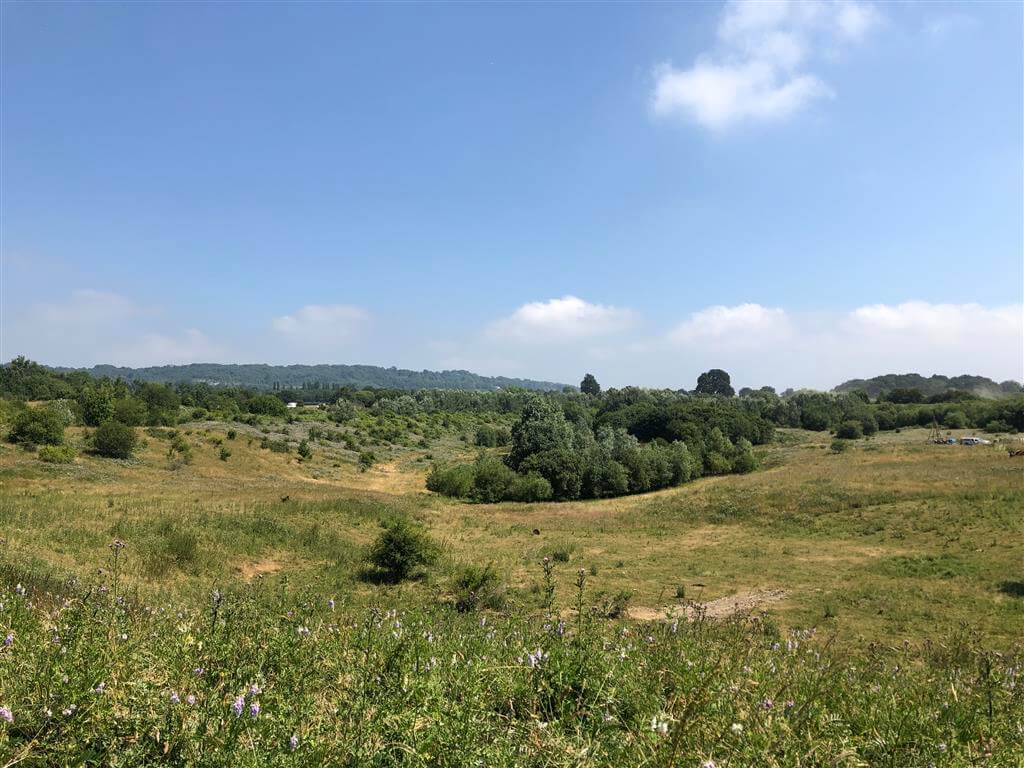
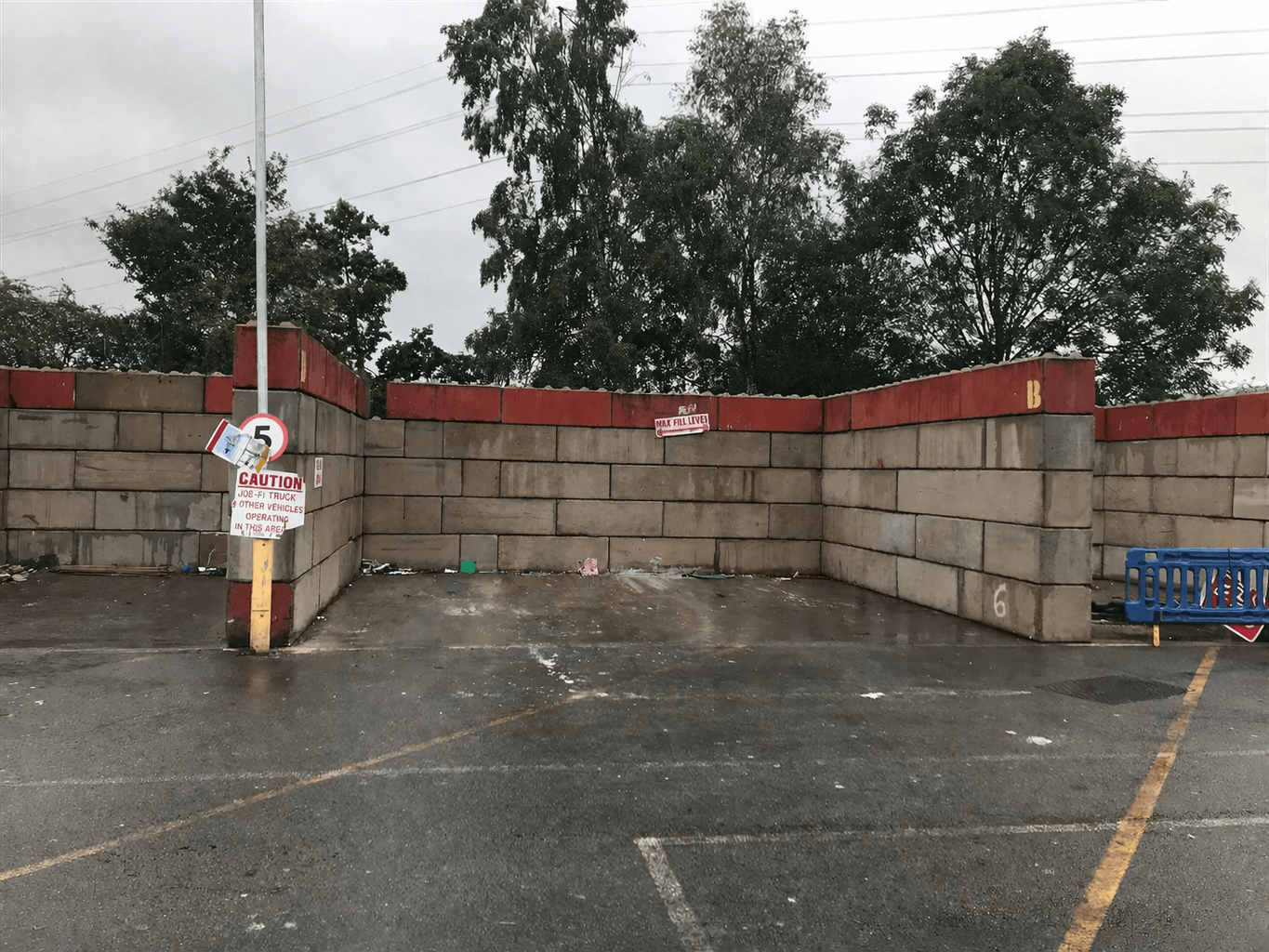
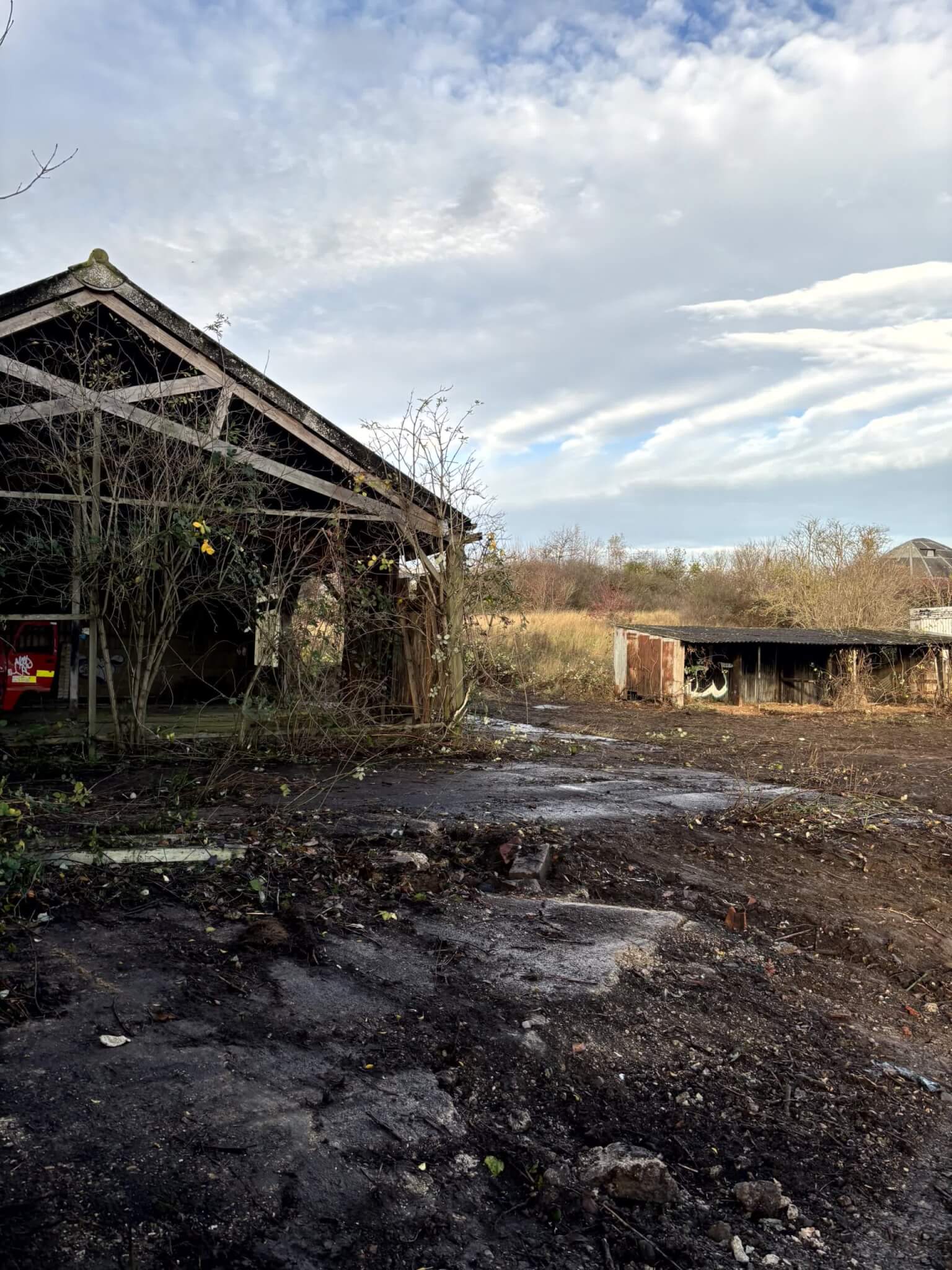
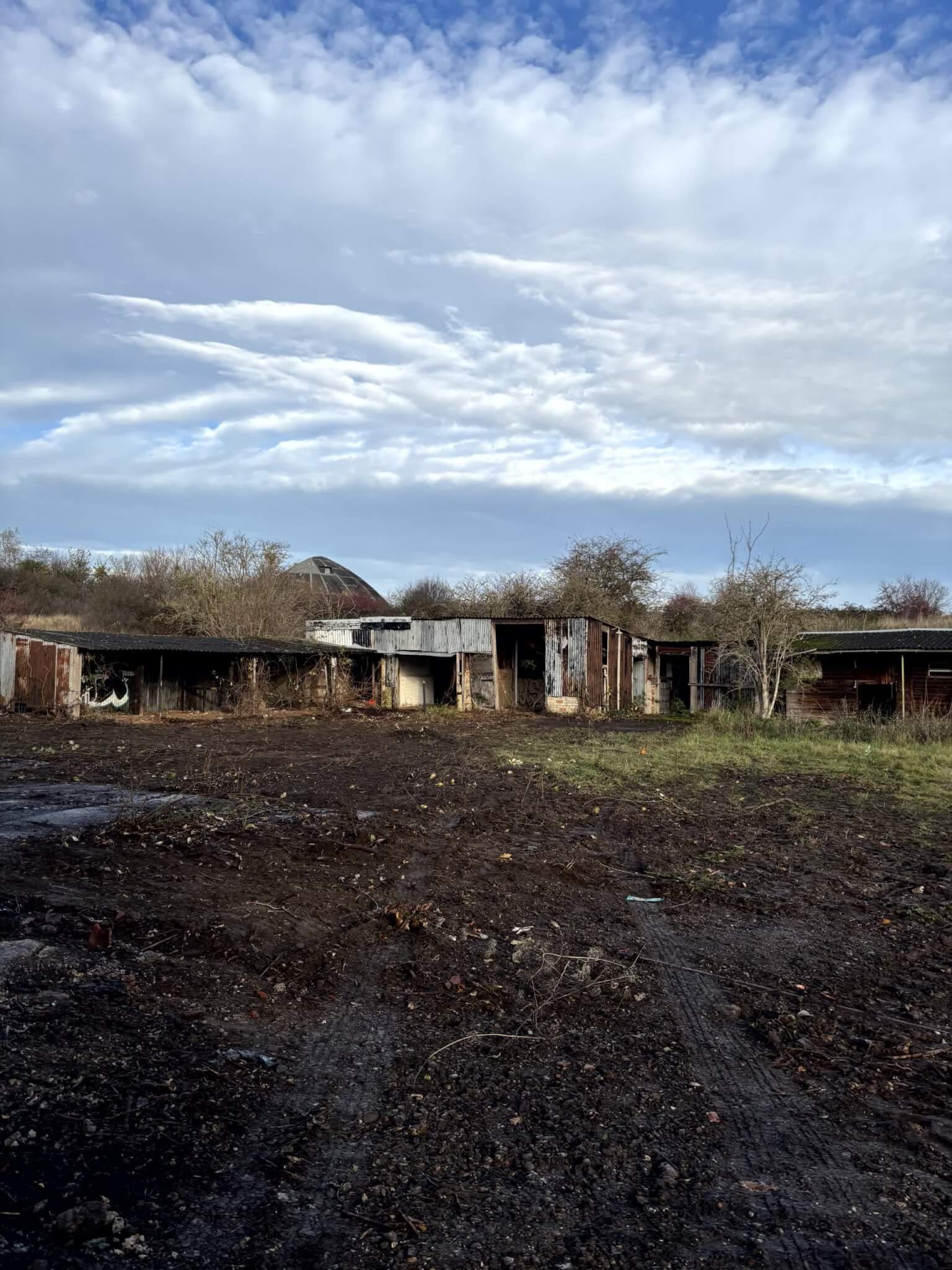
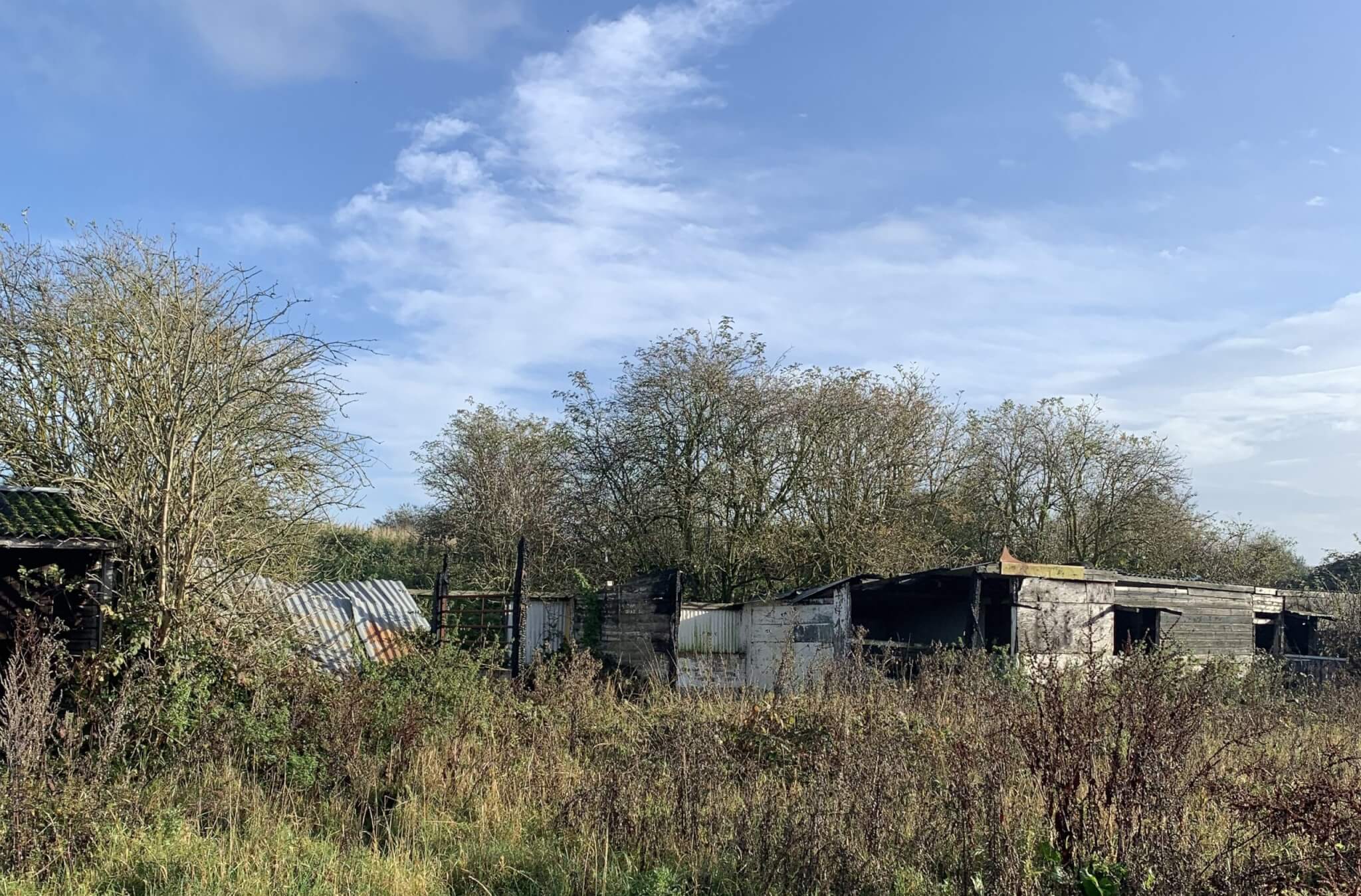
The London Borough of Hillingdon Council were looking to expand their New Years Green Lane Civic Amenity Centre to accommodate new office space on an area of land occupied by derelict farm buildings.
JNP Group’s Geo-Environmental team undertook a multi-stage assessment from desk study to remediation strategy, along with a piling works risk assessment to determine the land’s suitability. As the surrounding land was a historical landfill site, classified as Part 2A land, it presented a significant off-site contamination risk to the development.
Project Solutions
With the site being surrounded on the north, east and west sides with Part 2A land, JNP Group’s Geo Engineers undertook various assessments to analyse the soil’s potential contaminants, which included heavy metals, hydrocarbons, radionuclides and landfill gas, and the risk to both human health and controlled waters. The team developed a conceptual model of the site that was continually updated with the data and findings from the various ground investigations and piling risk assessments. We had regular consultations with the Environment Agency and the LBHC Contaminated Land Team to gain valuable feedback on our assessment of the site and its associated risks.
Regular liaisons with third parties ensured that the team was able to gain access to the site’s surrounding areas so ground water measurements could be obtained in down gradient boreholes to assist with groundwater flow patterns.
The initial investigations revealed that the ground had poor geotechnical properties. Due to this, additional ground investigation was required to gather further data for the pile design. The investigation highlighted a shallower chalk depth than was anticipated in the ground model. This prompted a reassessment of controlled waters risks within the Piling Risk Assessment.
During previous investigations, data recorded radionuclide contamination within the chalk groundwater which is likely a result of the Part 2A land. Historical monitoring indicated that chalk groundwater flowed beneath the potentially contaminated site. Along with the shallow chalk, a potential contamination source was now present on site. After specialist groundwater analysis, JNP Group’s Engineers provided a detailed assessment discounting the groundwater as a contamination source, and the Piling Risk Assessment was updated to reflect this.
Summary
JNP Group’s Geo-environmental team carried out extensive ground investigation, soil analysis and ground piling risk assessments. This, along with advice from the Environment Agency and the LBHC Contaminated Land Team, enabled our Engineers to discount the risk of contaminated land enabling the London Borough of Hillingdon Council to move onto the next stage of their development.
Gallery
Discipline: Geo-Environmental
Client: London Borough of Hillingdon Council (LBHC)
Project Manager: Hilary Ilsley
Project Team: Charlotte Grisby
Services Provided
- Phase I Desk Study
- Phase II Geo-environmental Report
- Remediation Strategy
- Liaison with the Environment Agency and LBHC Contaminated Land Team,
- Piling Risk Assessment including groundwater sampling and assessment for radionuclides and hydrocarbons
Challenges
- Contamination risk from surrounding Part 2A land
- Offsite down gradient boreholes access issues
- Unexpected ground conditions
Solutions
- Working conceptual site model
- Liaison with regulators
- Liaison with 3rd Parties to gain access
- Additional ground investigation
- Piling risk assessments
- Specialist groundwater analysis